Build the evaluation around the qualification, teaching calendar and learner locations you serve. Test course timing and feedback rather than relying on a generic national exam label.
Name the qualification and subject
An Australian course catalogue may serve different state-based programmes. Do not label every senior-school preparation course as an ATAR exam. Start with the qualification and subject you teach.
For a Victorian VCE course, the VCAA assessment resources provide a reference for examination specifications and related material. Check the current source for your programme and distinguish your original practice from official examination content.
Rehearse a teaching week
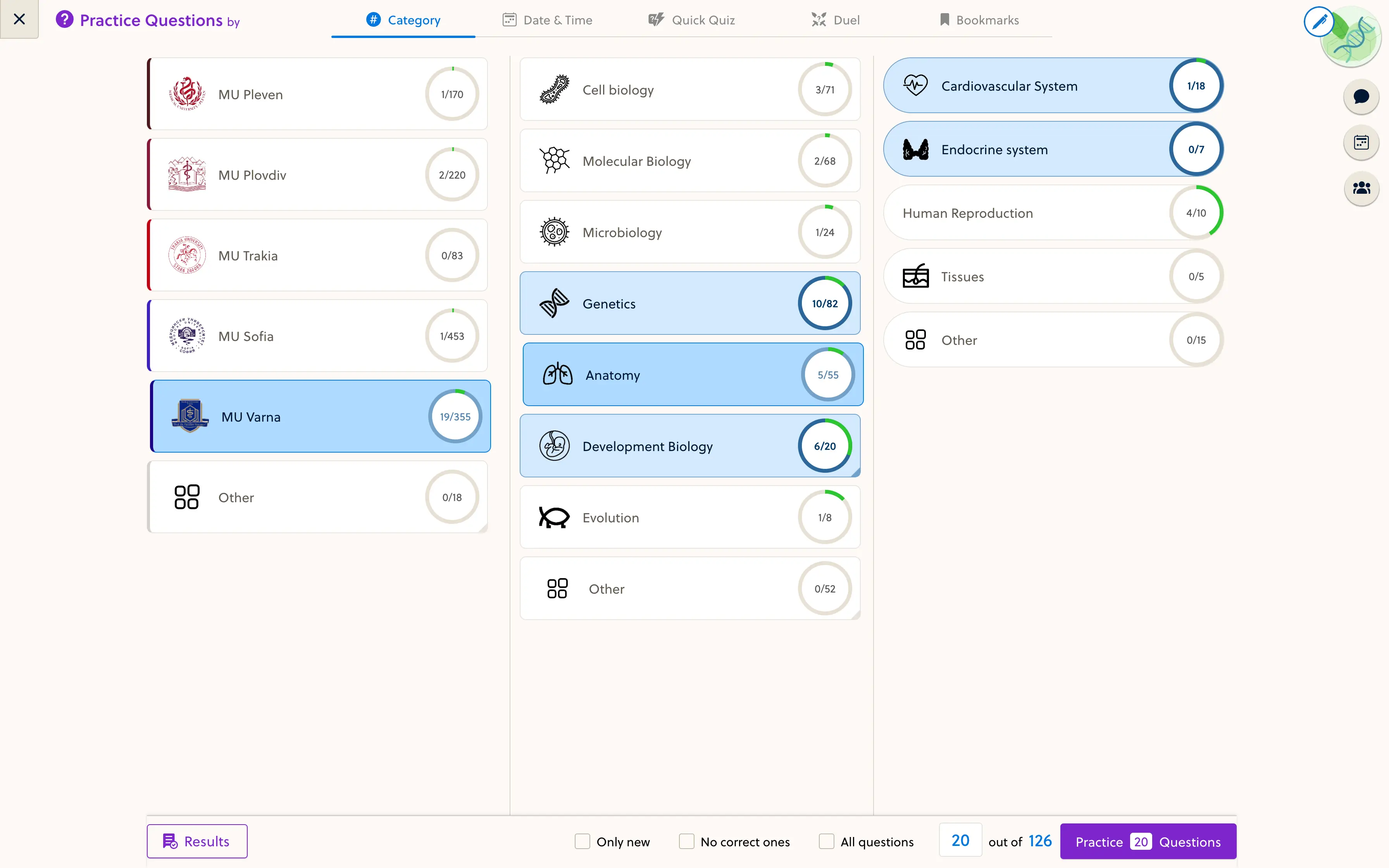
Build one lesson, a teacher-reviewed response and a practice set. Ask a learner to move between them on a phone. Check image labels, mathematical notation and the route back to the course outline.
Give a teacher a submitted response and inspect how feedback reaches the learner. A multiple-choice score alone may not represent the marking process your subject requires.
Test time zones and interruptions
If your programme serves multiple locations, test a session invitation in those locations, including a date affected by daylight-saving differences. Record the displayed time and the time in the reminder rather than assuming the settings agree.
Interrupt a practice session and reconnect. Confirm which answers remain saved and what the learner must do next. Do not advertise offline learning unless the exact supported behaviour has been tested.
Plan the busiest weeks
Agree who owns schedule changes, content corrections and access incidents. Request the support coverage and capacity assumptions for your expected cohort size; a successful two-person pilot does not prove peak-load performance.
Use the test-prep use case and migration checklist to scope the work. This guide is written by PrepOS and does not rank providers or promise examination results. Official reference checked on September 8, 2026.