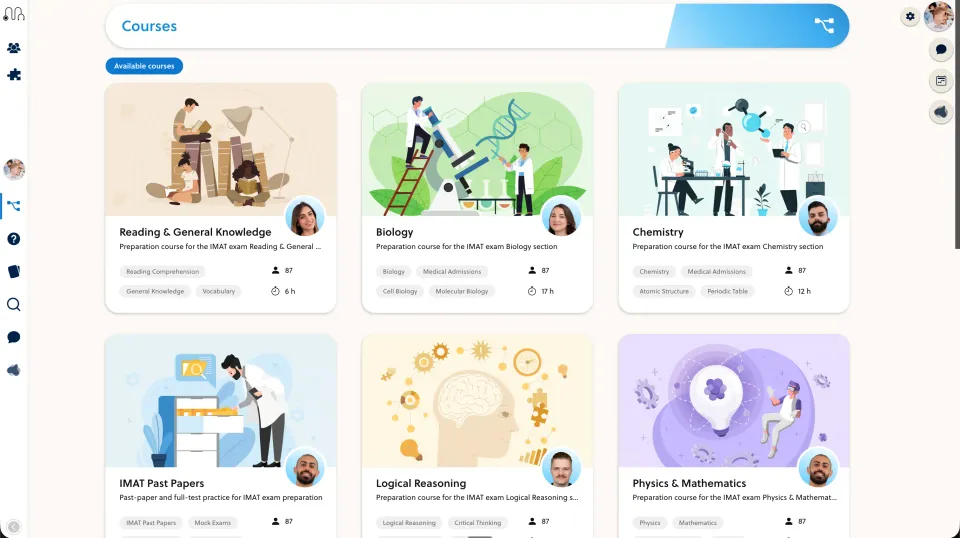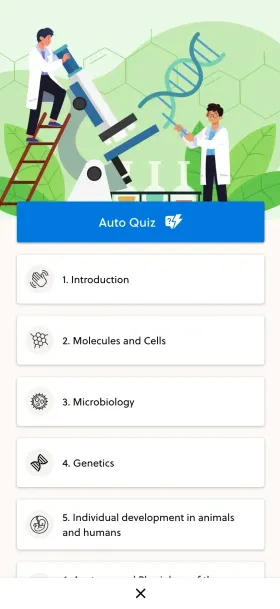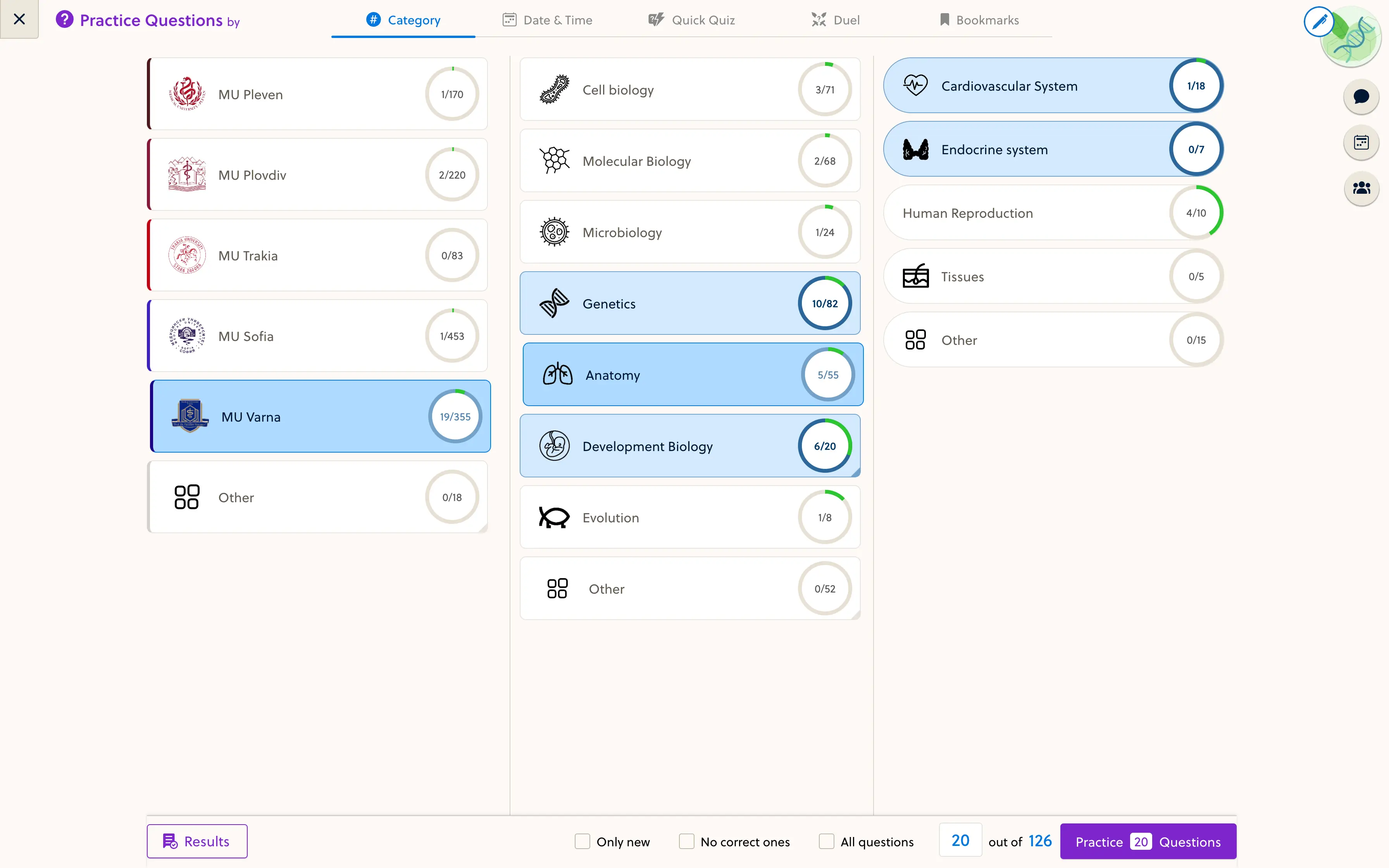
For test prep companies looking to modernize and streamline their offerings, integrating curriculum into a Learning Management System (LMS) is a pivotal step. This comprehensive guide walks you through the process from evaluating and organizing your existing content to digitizing materials, creating interactive elements, setting up assessments, and training staff. Embrace best practices for a seamless integration and ongoing curriculum maintenance within your chosen LMS.
Step 1: Evaluate and Organize Your Existing Content
Begin by taking inventory of your current curriculum resources. Assess which materials align with your educational objectives and identify gaps or outdated content that needs revision or replacement.
- Content Audit: List all available resources, categorizing them by subject, format, and relevance.
- Curriculum Mapping: Align your content with specific test prep goals and learning outcomes.
Step 2: Digitize Your Materials
Transform your physical and static digital materials into dynamic, engaging online formats suitable for LMS delivery.
- Format Conversion: Convert textbooks, PDFs, and paper-based materials into digital formats like HTML, SCORM, or xAPI.
- Interactive Elements: Enhance materials with multimedia elements, such as videos, interactive simulations, and quizzes.
Step 3: Create Interactive and Engaging Elements
Leverage the capabilities of your LMS to add interactive components that will engage students and provide hands-on learning experiences.
- Quizzes and Assessments: Design formative and summative assessments to track progress and understanding.
- Discussion Forums and Collaborative Tools: Facilitate peer interaction and collaborative learning opportunities.
Step 4: Setting Up Assessments
Develop a variety of assessments to measure student understanding and readiness for test day.
- Adaptive Testing: Implement tests that adjust in difficulty based on the learner’s performance.
- Feedback Mechanisms: Ensure that your LMS provides immediate, actionable feedback to guide learners’ improvement.
Step 5: Training Staff and Instructors
Ensure your team is fully prepared to utilize the LMS to its fullest potential, enhancing the learning experience for students.

- Professional Development: Offer training sessions on the LMS’s features and best practices in online instruction.
- Support Resources: Provide manuals, FAQs, and access to technical support for ongoing assistance.
Best Practices for Curriculum Maintenance within the LMS
Keeping your curriculum up-to-date and engaging requires ongoing effort. Here are some best practices for maintaining your curriculum within the LMS:
- Regular Review Cycles: Schedule periodic reviews of your content to ensure it remains accurate, relevant, and engaging.
- Student Feedback: Collect and analyze student feedback for insights into how your curriculum and delivery can be improved.
- Continuous Improvement: Update and refine content based on assessment results, new learning standards, and technological advancements.

Conclusion
Integrating your test prep curriculum into an LMS is a strategic move that can significantly enhance your educational offerings. By following these steps and best practices, you can ensure a smooth transition to a more dynamic, interactive learning environment. This not only benefits your learners with a more engaging and effective study experience but also positions your company at the forefront of digital education in test preparation.

Take the first step towards transforming your test prep curriculum with LMS integration and unlock the potential for greater student success and satisfaction.