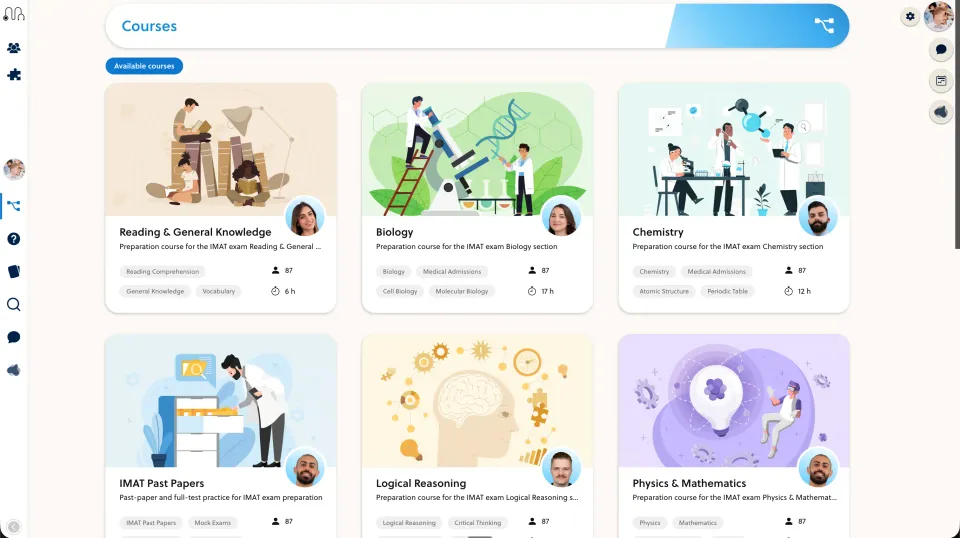
Your videos may already explain the subject well. A paid course needs something else: a clear learning sequence, meaningful practice and a reason for students to keep going. Start with one complete topic, not a new recording schedule.
Decide what students are buying beyond the videos
A subscriber who watches an explanation for free needs a clear reason to buy your course. That reason could be preparation for a specific exam, a guided introduction to anatomy and physiology, or a structured sequence of physics topics with practice and feedback.
Write the offer in one sentence: who it is for, what it covers, and what students will be able to work on by the end. Avoid promising grades or results you cannot control.
For example, a collection of biology videos becomes a more defined product when it has a study order, questions after each topic, explanations for wrong answers and a final review. The value is the organized learning experience, not simply putting a price on a playlist.
Inventory your existing material before recording more
List the videos, notes, diagrams, slides, worksheets and question sets you already have. Give each item a topic and a decision: reuse, revise or leave out.
Look for gaps in the course sequence rather than gaps in video length. You may have three good explanations of one topic and no practice for the next. A short worked example can be more useful than another twenty-minute recording.
Keep track of which images and materials you have permission to include in a paid product. Content import still needs your subject review; formatting a document into a lesson does not verify its accuracy.
Build one complete learning unit
Choose a topic that represents how you teach. A useful first unit might contain:
- A short statement of what the student will learn.
- An existing video, with the relevant section easy to find.
- A diagram or worked example that students can inspect at their own pace.
- A small question set that tests the same topic.
- Answer explanations that show the reasoning, including common mistakes.
- A clear next lesson or review task.
Use flashcards for recall where they fit. Use an annotated diagram or interactive activity where manipulating or identifying something helps. You do not need every content format in every lesson.
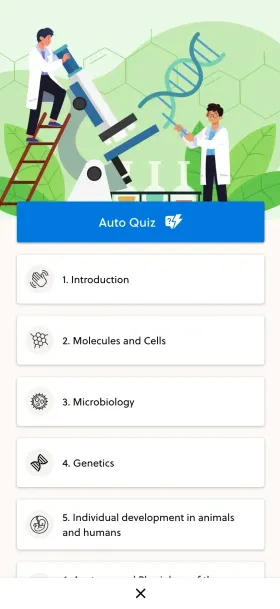
Open this unit on a phone before building the rest. Check whether labels are readable, questions are comfortable to answer and students can return to the course outline.
Test the course builder with your own content
A polished platform demo is not the same as a comfortable authoring workflow. Try revising a question, moving a lesson and reusing a resource in another module.
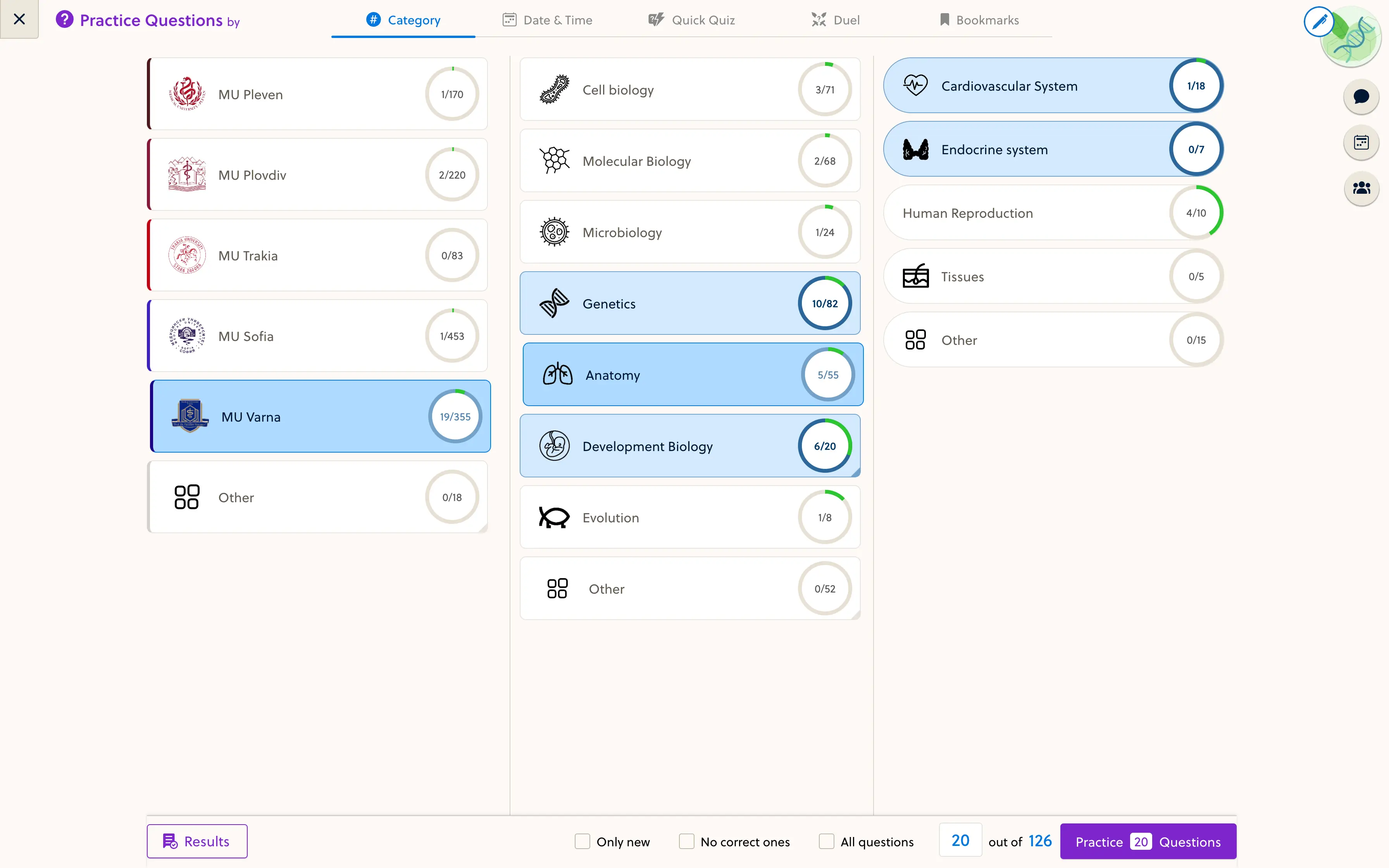
For an academic course, ask how the platform handles topic tagging, question explanations and practice across multiple lessons. Clarify which content setup and interactive enhancements are included in your chosen package, and which need separate scoping.
Our PrepOS vs LearnWorlds comparison gives you criteria for that conversation. The useful test is whether your representative lesson works well, not which provider has the longest feature list.
Keep the first launch focused
Your current website can remain the public home of your brand. Decide whether you need a simple course offer page or just a clear link to checkout and the student portal.
Before opening sales, check:
- The offer states the syllabus, access period and support included.
- The checkout price, billing period and course access agree.
- A new student can purchase, sign in and find the first lesson.
- Students know where to ask for help and what response to expect.
- You can correct content without rebuilding the whole course.
A small first cohort can reveal unclear instructions and missing practice. Use that feedback to improve the curriculum before expanding the catalogue.
A real academic creator example
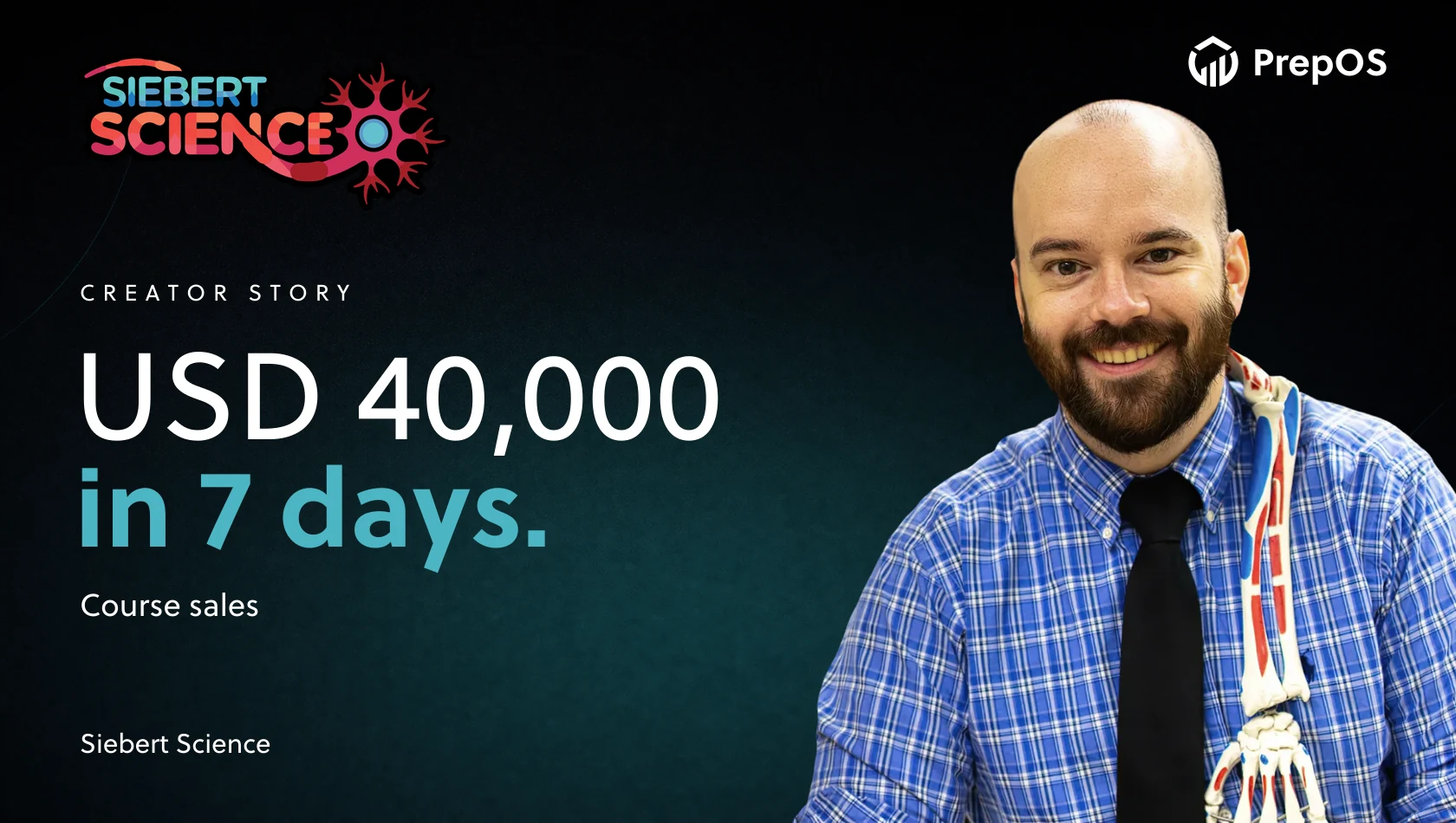
Siebert Science generated USD 40,000 in course sales in seven days with an anatomy and physiology offer. Its platform combines teaching videos, structured lessons, practice and interactive activities. This is one customer’s result, not a forecast for a new creator.
If you are preparing your first paid course, bring a sample lesson and your existing materials to a founder conversation. You can also explore PrepOS for academic creators and the launch packages before deciding what help you need.